How the workflow changes with AI
The traditional flow (requirements → design → handoff → development → QA → deploy) compresses into a 24-48 hour daily cycle. The designer works in Figma with a token system exported to code. The developer uses Claude to implement components directly from mockups. Tests are generated and reviewed with AI before commit.
We do not use AI as autocomplete. We use it to generate full components, refactor entire modules, cover edge cases in tests, and audit security of migrations. The senior human reviews, decides, and owns the outcome.
What an AI agency does that a freelancer with Cursor cannot
A freelancer with Cursor speeds up their own work. An agency with proprietary AI workflows speeds up the entire pipeline: discovery, architecture, design, development, QA, and go-to-market. At Productea we have prompts and specialized agents for each phase, shared across the team, measured, and iterated every sprint.
Beyond that, the agency owns delivery risk: SLA in hours, dedicated team, backup if the responsible senior is sick, and a contract with penalties if the schedule slips.
What AI does NOT do in our process
AI does not decide architecture, does not write production SQL without human review, does not define scope, and does not talk directly to the client. AI has no opinion on product-market fit. Those decisions stay with the senior human because they need business, regulatory, and stakeholder context.
AI also does not replace security review. Every DB migration, RLS policy, and auth flow goes through manual OWASP Top 10 review before merge.
Real cases from Productea
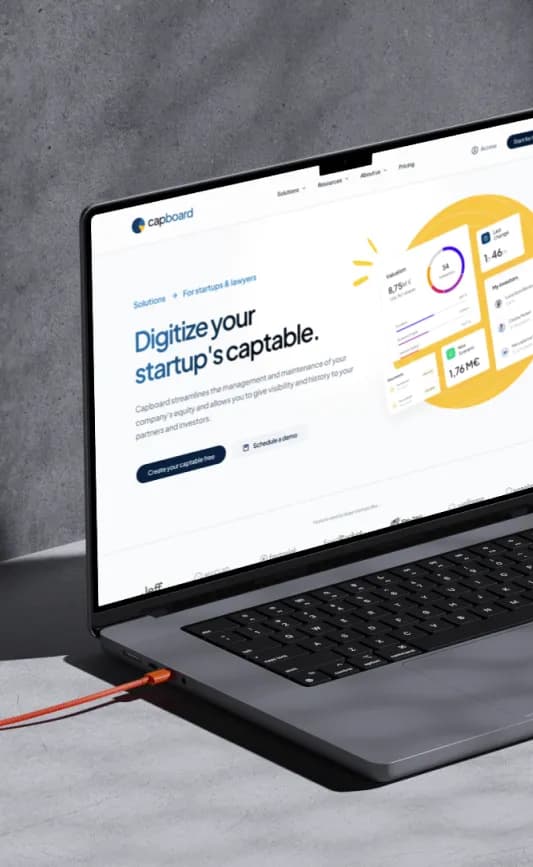
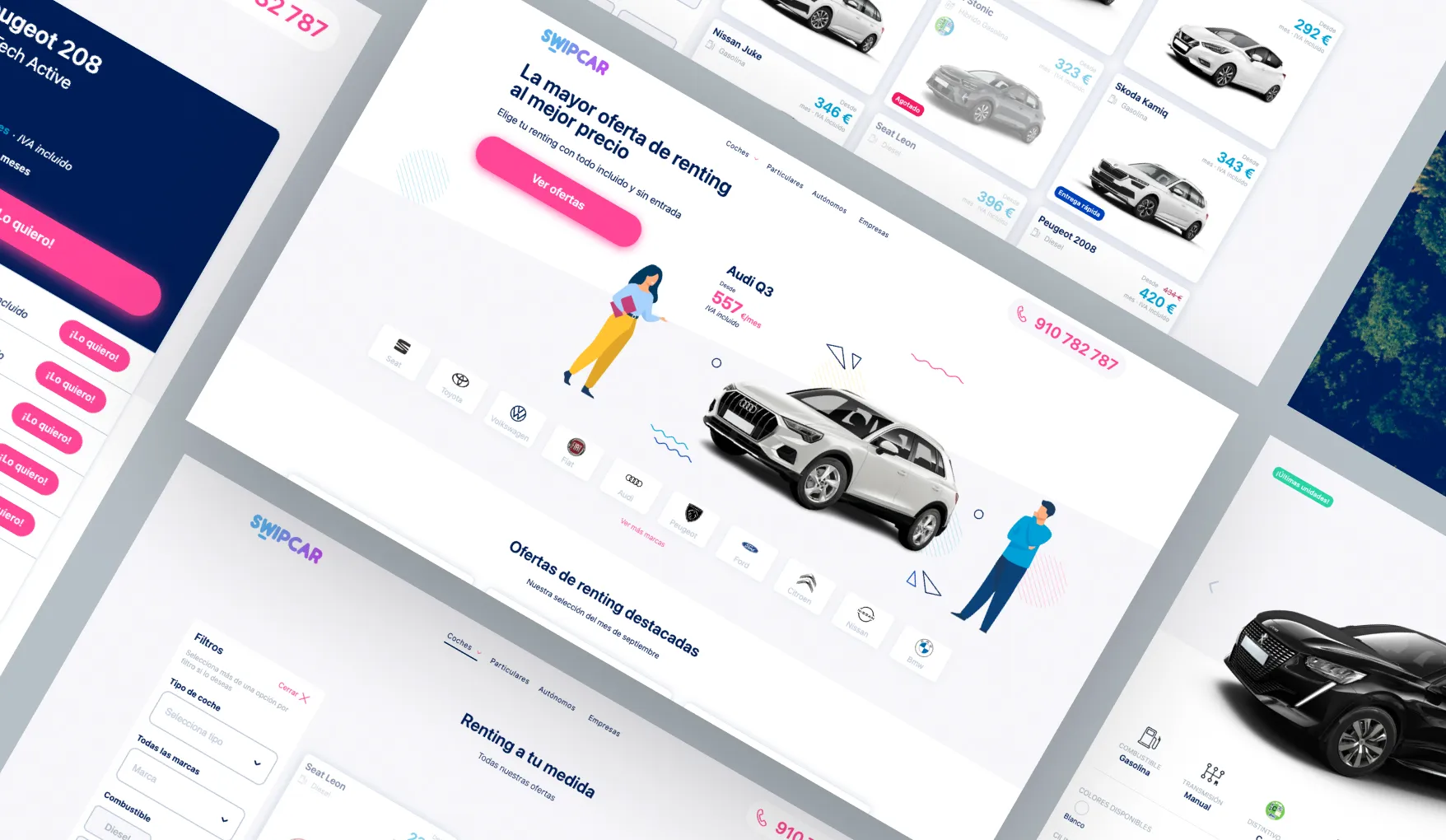
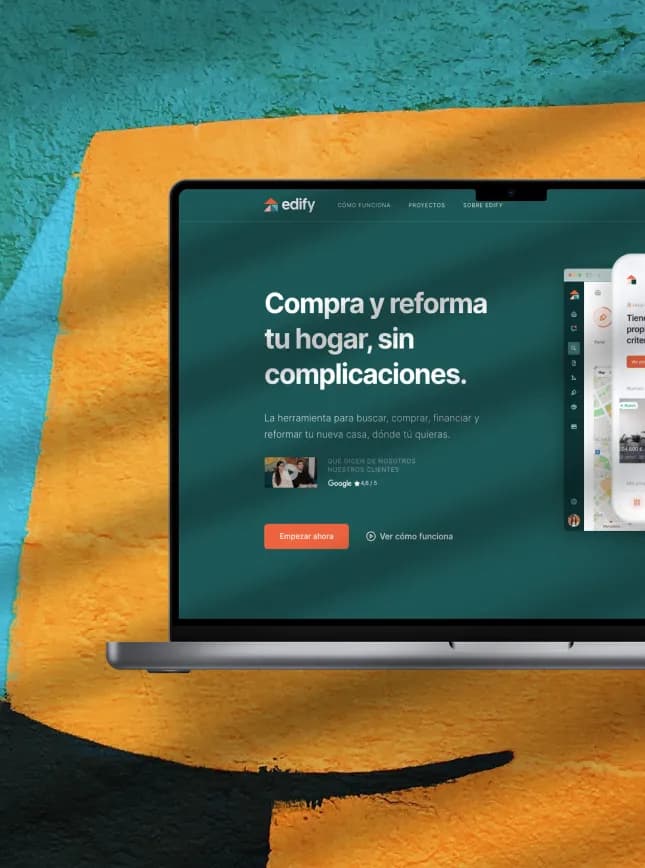
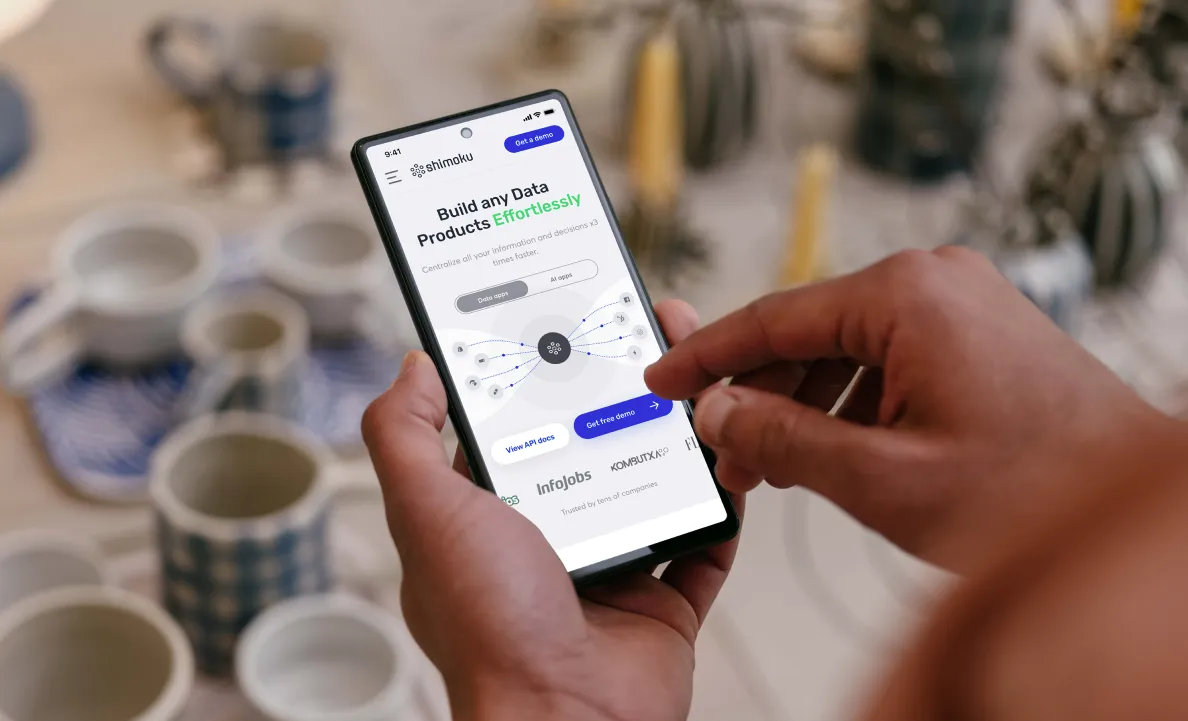
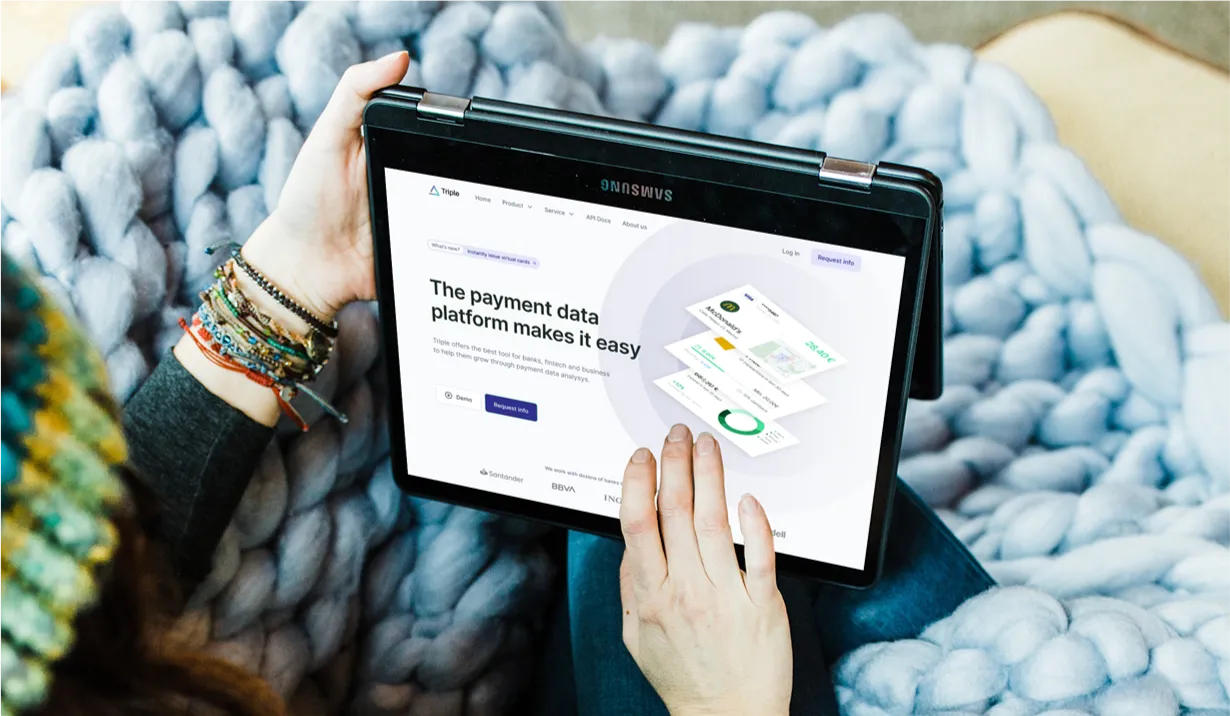
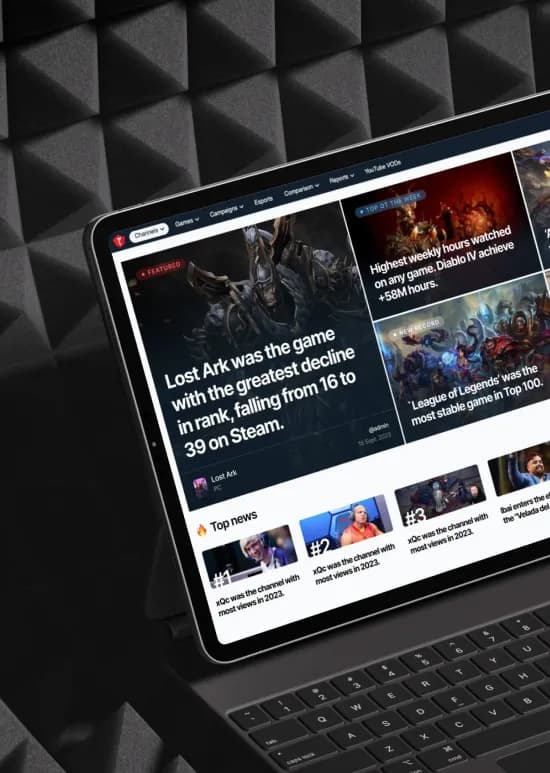
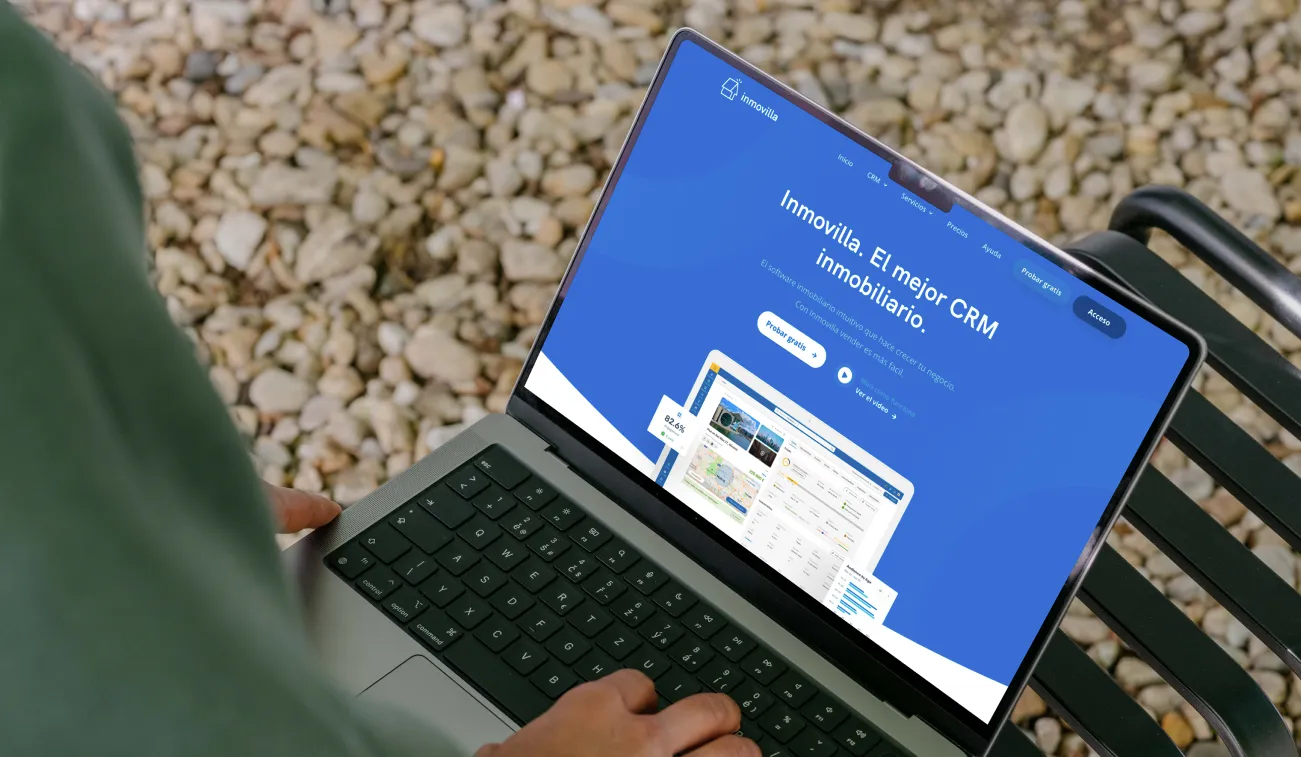
Capboard (cap table fintech): full onboarding redesign in 3 weeks with +120% completion rate. Inmovilla (real estate CRM SaaS): redesign and stack modernization with +30% retention. Swipcar (car leasing marketplace): launched in 8 weeks, acquired by Cazoo for €30M+. All three used the same AI-native workflow.